“Ethiopian coffee producing area” search results (900)

Ethiopian Coffee Manor Flavor description method introduction to the characteristics of Fine Coffee in producing areas
The Jima mocha washed in Ethiopia looks very clean, but somewhat untidy, while untidiness is a nightmare of baking, which is always uneven in depth. In order to appreciate the original flavor, try not to pick too much, so as not to affect the overall taste. Because it is a new coffee bean with high water content, it needs to be roasted a little deeper and baked over low heat.
2016-10-14 Ethiopia Coffee Manor Flavor description treatment Variety producing area characteristics
Ethiopian Coffee Manor Flavor description Grinding characteristics introduction to the taste price of varieties in producing areas
Ethiopian coffee beans grow in close to the natural environment, after years of planting under the same growth conditions, Ethiopian coffee beans have gradually adapted to the environment here. More than 60% of coffee beans are grown in forests or semi-forests. Large-scale coffee-growing villages account for about 35% of the country's total coffee production. Many of these are used.
2016-10-10 Ethiopia Coffee Manor Flavor description Grinding characteristics varieties producing areas
Ethiopian boutique coffee introduces the characteristics of Ethiopian coffee Ethiopian coffee
The coffee tree originated in Ethiopia, which was originally a wild plant here, and the name coffee comes from the Ethiopian town of Kaffa. Humans may have known how to grow coffee trees as early as the 9th century. Coffee producing area in Ethiopia: many coffee trees in Ethiopia are still wild plants, and the coffee grown on this coffee tree is full of grains.
2016-03-25 Ethiopia boutique coffee introduction characteristics
Hara, the most important sun bean producing area of Ethiopian coffee.
Hara is the most important sun bean producing area in Ethiopia. Hara sun beans are low-key but have fermented blueberry wine and unpredictable aromas. Long rice (long berry) Halamoka is called (Boldgrain) the highest grade in Haramoka after the second manual screening. (1. Short berry 2. Long berry 3.Boldgrain) Ethiopian coffee
2014-12-28 Ethiopia coffee most important sun producing area Hara
Introduction to the main producing areas of Ethiopian coffee Harar producing area, southwest Djim
Sidamo Gedeo District, Sidamo Province Today Ethiopia is an important coffee producer with approximately 12 million people engaged in coffee production and is Africa's leading exporter of Arabica coffee beans. The quality of coffee here is excellent and worth looking for. A variety of coffee cultivation methods can be found in Ethiopia: from patches of wild coffee trees and semi-developed land,
2016-06-23 serbia biya coffee main producing area presentation harar lal Harar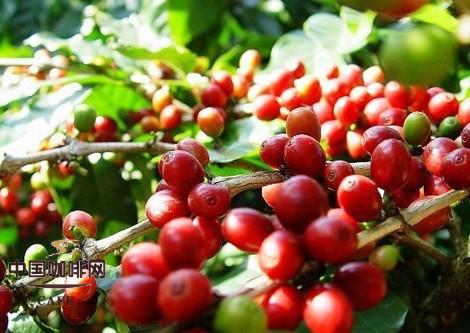
Ethiopian boutique coffee Ethiopian geographical environment Ethiopian coffee harvest fruity flavor in a year
Ethiopia's geographical environment is very suitable for coffee growth. Coffee is mainly grown in the southern highlands between 1100 and 2300 meters above sea level. The main coffee producing areas are Harar, Limu, Djimma, Sidamo, Kaffa, Yergacheffe and Wellega. The soil drainage in these areas is good.
2016-07-12 Ethel Searle Biya boutique coffee Ethiopia geography one year harvest
Characteristics of Ethiopian sun-cured coffee beans Origin of Ethiopian Sun-cured Coffee
Hara is the most important sun bean producing area in Ethiopia. Hara sun beans are low-key but have fermented blueberry wine and unpredictable aromas. Long rice (long berry) Halamoka is called (Boldgrain) the highest grade in Haramoka after the second manual screening. (1. Short berry 2. Long berry 3.Boldgrain) Ethiopian coffee
2016-05-26 Ethiopia sun coffee beans characteristics coffee origin Hara producing area
Coffee producing areas in Ethiopia
The coffee tree originated in Ethiopia, which was originally a wild plant here. The name "coffee" comes from the Ethiopian town of "Kaffa". Humans may have known how to grow coffee trees as early as the 9th century.
2014-09-01 Coffee knowledge Ethiopia coffee producing area
Ethiopian coffee producing region Flavor Description Ethiopian Yegashfi coffee characteristics Taste introduction
The coffee tree originated in Ethiopia, where it was originally a wild plant, and the name coffee comes from the Ethiopian town of Kaffa. Humans probably knew how to cultivate coffee trees as early as the 9th century. Ethiopia coffee origin: Ethiopia many coffee
2023-01-05 Ethiopia Coffee Unique Flavor Characteristics Origin
Introduction to the flavor and taste characteristics of the Ethiopian coffee manor in the unique coffee producing area
Although the Ethiopian Yirgacheffe coffee is petite, it is gentle and delicate and sweet. As the hometown of coffee, thousands of years of planting history and processing tradition in Ethiopia have created high-quality washed Arabica beans. Light baking has unique sweet aromas of lemon, flowers and honey, soft acidity and citrus flavors, fresh and bright on the palate. No.
2016-08-17 Unique coffee producing area Ethiopia manor flavor taste characteristics introduction
Introduction of Ethiopian Coffee producing areas with Nine Coffee producing areas
According to the above four different modes of production, Ethiopian coffee can be divided into nine major coffee producing areas, including five boutique coffee areas: Sidamo, Yegashefi, Harald, Lim and Lekampu. and four general commercial bean producing areas: Gemma, Irugbo, Tibby and Bekaa. The sun or water washing methods are used in each district, and different treatment methods also affect the flavor.
2016-06-29 Owns nine coffee production areas Ethiopia introduction
Ethiopian Coffee Flavor Description Grind Characteristics Variety Producing Area Taste Boutique Coffee Introduction
Ethiopian coffee grade: Ethiopian washed coffee Yirgacheffe G1 G2 Sidamo (Yirgacheffe, Sidamo) the highest grade is second and third grade (G2, G3), the eastern part of Ethiopia sun processing coffee is mostly fourth or fifth grade (G4, G5). In many cases, fourth-grade coffee is labeled as five-grade in order to reduce taxes. The current classification is not very uniform, there are
2016-10-12 Ethiopia Coffee Flavor Description Grind Characteristics Variety Region Taste
Exquisite Ethiopian coffee beans Starbucks Ethiopian coffee
Ethiopia has unique natural conditions suitable for growing all imaginable varieties of coffee. As a upland crop, Ethiopian coffee beans are mainly grown in areas between 1100 and 2300 meters above sea level, roughly distributed in southern Ethiopia. Deep soil, well drained soil, weakly acidic soil, laterite and soil are soft and contain
2016-04-30 Beautiful Ethiopia coffee beans Buck coffee Youde Tiandu
Introduction of High-quality Coffee in producing areas of Ethiopian Coffee
In Ethiopia, the grading and quality control system of coffee is divided into three levels: producer, regional and national. All coffee is inspected by local inspection agencies before leaving the country of origin, and then re-tested at the coffee inspection and grading centers in Addis and Diredawa to determine its quality grade. Coffee is graded before auction and sale, for all involved in production, acquisition,
2016-10-13 Ethiopia coffee grinding characteristics treatment taste variety producing area boutique
Ethiopian Coffee Manor Flavor Taste introduces Ethiopian boutique coffee beans
Sustainable coffee culture Ethiopian coffee beans grow in close to the natural environment, after years of planting under the same growth conditions, Ethiopian coffee beans have gradually adapted to the environment here. More than 60% of coffee beans are grown in forests or semi-forests. The villages that grow coffee in large areas account for about the total amount of coffee produced in the country.
2016-08-04 Ethiopia coffee manor producing area flavor taste introduction boutique coffee beans
Ethiopian Coffee Boutique Flavor Manor Producing Area Taste Introduction Ethiopian Coffee Brand
1. Limu coffee grows between 1400 meters and 2000 meters above sea level. washed coffee. Excellent quality, with intense nutty aromas, moderate acidity and wine intensity. Annual production of 29,000 tons. Gima coffee grows between 1400 and 1800 meters above sea level. Sunburn coffee. Slightly sour, nutty and long finish. Annual production of 70,000 tons. 3. Gambi Coffee
2016-07-18 Ethiopia Boutique Coffee Flavor Manor Region Taste Introduction Brand
Ninety + Ethiopian native species of ginseng from Wellega (Woliga) producing area of Ethiopia
Joseph Brodsky, the founder of Ninety +, discovered early that all the world's high-quality raw coffee beans originated in Ethiopia, and its different flavors of many different varieties are no less than 10, 000 grapes into 1 million different wines. Ninety percent of the raw beans come from the original varieties of Ethiopia, including Gesha of Manor Panama, which is also an Ethiopian heirloom (Heir).
2016-07-05 Ninety Ethiopia Wellega Wali producing area ginseng native nine
Introduction to the flavor and taste of Ethiopian boutique coffee beans and the characteristics of the manor producing area
A large amount of coffee production (95%) is done by small shareholders, with an average yield of 561 kg per hectare. For centuries, minority holders of Ethiopian coffee farms have been producing a variety of high-quality types of coffee. The secret of producing high-quality coffee is that coffee farmers have developed the right environment through generations of repeated learning about the coffee planting process.
2016-08-25 Smell mellow thick Ethiopia boutique coffee beans flavor taste manor
Introduction to the flavor description and grinding characteristics of Ethiopian coffee varieties in producing areas
Grade of Ethiopian coffee: Ethiopian washed coffee Yega Chuefei G1 G2 Sidamo (Yirgacheffe, Sidamo) has the highest grades 2 and 3 (G2, G3), while sun-processed coffee in eastern Ethiopia is mostly grade 4 or 5 (G4, G5). In many cases, level 4 coffee is marked as level 5 in order to reduce taxes. At present, the classification is not uniform and there are
2016-10-14 Ethiopia Coffee Flavor description Grinding characteristics treatment Variety producing area
Ethiopian Yega Sheffivoka Coffee Flavor description introduction to the taste of fine coffee beans in the producing area
Located in the most advantaged natural conditions, Ethiopia produces unique high-quality coffee every year. Ethiopia's coffee growing cycle brings the joy of harvest to the country every year. Beautiful white coffee flowers will bloom and bear fruit every year from March to April. Only the reddest and ripe fruits will be selected between September and December.
2016-09-27 Ethiopia Yega Sheffield Waka Coffee Flavor description producing area boutique